


Bishoujo Figures – Everything You Need to Know to Start Collecting
Have you ever marvelled at the detailed and colourful bishoujo figures adorning the shelves of anime collectors worldwide? Collecting anime figures has quickly grown into a passion for both young and adult enthusiasts – but what exactly makes bishoujo so sought after, and how do you get started the right way? Many face questions about quality, authenticity, and where to find the best specimens, especially as the market is flooded with fakes.
In this blog post, you'll get a complete overview of collecting bishoujo figures – from what they are, their origins, and popular types, to tips on how to avoid counterfeits and care for your own collection. Whether you're a beginner or an experienced collector, you'll find practical advice, inspiring examples, and insights into the growing Swedish market. Start your journey among the collecting world's most beloved anime figures here!
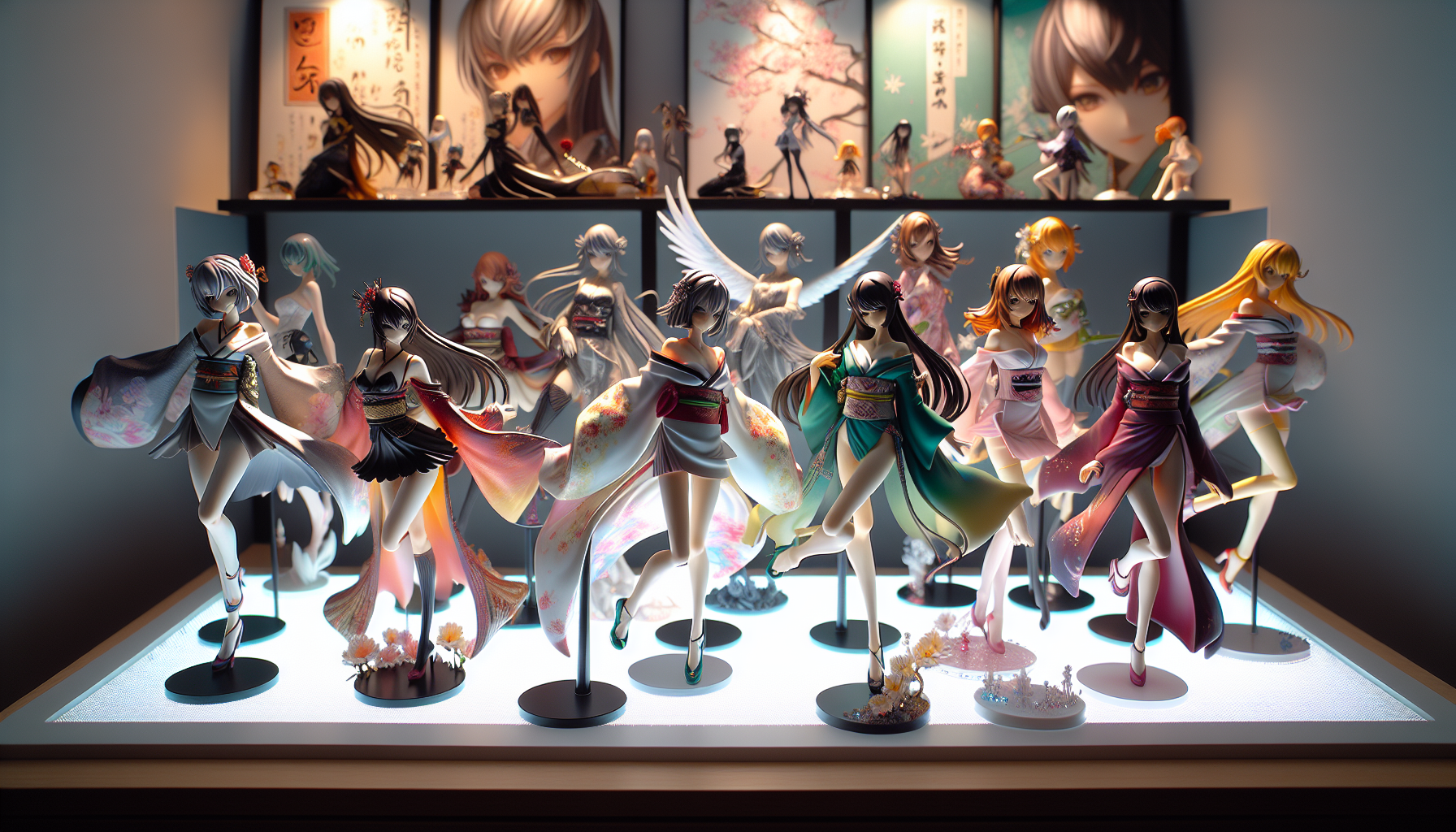
Bishoujo figures are a central part of the anime and manga collecting world and have become increasingly popular in recent years, both globally and among Swedish collectors. But what does "bishoujo" actually mean? The word, which in Japanese stands for "beautiful young woman", is often used in both anime and manga to describe female characters depicted with idealized beauty and personality. Bishoujo figures are three-dimensional representations of these characters and come in a variety of forms, styles, and sizes.
Types and Materials: A Diversity in Collecting
- PVC figures: The most popular and affordable, often detailed and versatile.
- Action figures: Articulated figures that allow collectors to adjust poses and expressions, such as Figma and S.H.Figuarts.
- Garage kits: Often handmade and require assembly and painting, offering the collector a unique and personal challenge.
-
Special editions: Limited collectibles or exclusive collector series with a more luxurious finish and accessories.
Many collectors start with PVC-based anime figures due to their availability and range, but the more involved they become, the greater their interest in acquiring unique or limited editions, as well as building and painting garage kits themselves.
Iconic Examples and Variations
There are several examples of well-known bishoujo figures from popular anime and games, such as Asuka Langley from "Neon Genesis Evangelion", Saber from "Fate/Stay Night", or Miku Hatsune from the "Vocaloid" series. Styles vary from classic anime aesthetics to more realistic interpretations – giving collectors the opportunity to find the specific type of bishoujo figure that suits their taste and collection. It is also common for major manufacturers like Kotobukiya and Good Smile Company to collaborate with artists and studios to create original, exclusive figures.
By understanding what distinguishes different types and styles of bishoujo figures, new collectors can more easily navigate the vast selection and find their own collecting focus. This makes collecting both more enjoyable and personal, whether you are a beginner or an experienced enthusiast.
The Origin and History of Bishoujo Figures
To truly understand the fascination surrounding bishoujo figures, it is important to look back at their origins in Japanese popular culture. Bishoujo, meaning "beautiful young woman," has been a recurring theme in anime and manga since the 1980s, but figure collecting itself took off shortly thereafter. Collectors worldwide are attracted not only by the artistic detail, but also by the connection to beloved characters and series.
From Manga and Anime to the Collector's Shelf
- Roots in 1980s Japan: During the 1980s, figure manufacturers began creating PVC figures based on popular anime and manga featuring characters such as Sailor Moon, Rei Ayanami from "Neon Genesis Evangelion," and Lina Inverse from "Slayers." These quickly became symbols of otaku culture.
- Expansion in the 1990s and 2000s: More manufacturers like Good Smile Company, Kotobukiya, and Alter helped shape the market with high-quality and detailed models. The increased globalization of Japanese culture also created greater international demand.
-
Technological advancements: Better production methods and more advanced design software have enabled today's figures to reproduce characters' appearances and personalities with almost photorealistic precision.
These advancements also mean that today's collectors can choose from everything from affordable figures to exclusive limited editions. An interesting example is the Bishoujo Marvel series from Kotobukiya, where iconic Western heroes like Wonder Woman are given a Japanese twist.
Iconic Figures and Influences
The most influential bishoujo figures are measured not only by popularity but also by how they have shaped the collecting world. Figures like Hatsune Miku and Asuka Langley Soryu have become style icons for entire niches and inspired new design directions. Collecting continues to evolve, with both classic and new characters building bridges between generations of anime and manga fans worldwide.
Why Collect Bishoujo Figures?
Collecting bishoujo figures is much more than a simple hobby – for many collectors, anime figures and their characters become an important part of everyday life. There are several reasons why this form of collecting has become so popular worldwide, not least in Sweden, where interest in Japanese culture has grown strongly in recent years. Whether you are a beginner or experienced, there are fascinating motivations behind each collection and unique ways to personalize your collecting journey.
Motivation and Value in Collecting
- Aesthetics and Craftsmanship: Bishoujo figures are characterized by detailed design and skillfully executed portrayals of female characters. Many collectors appreciate the artistic aspects as much as the characters themselves, viewing the figures as small works of art.
- Nostalgia and Identification: For fans of anime and manga, a particular figure can represent childhood memories, favorite series, or personal development. Surrounding oneself with these figures becomes a way to express identity and passion.
- Investment and Collector's Value: Some choose to collect bishoujo with financial gain as a goal. Rare figures and limited editions can increase in value over time, especially if kept in mint condition and with original packaging.
-
Personal Stories: A Swedish collector describes: “Every figure has its own story. When I build my collection, I always get to remember what it means to me or why I chose that particular character.”
In addition to these motivations, collecting can also create new friendships and opportunities to participate in various communities, both digital and physical. Many experience an increased sense of well-being from surrounding themselves with their favorite figures, which in itself has become an important part of everyday life.
Building a Unique and Personal Collection
To build a personal collection of bishoujo figures, it is important to consider both theme and space. Several collectors recommend starting small, for example, with a favorite from a specific anime, and then gradually expanding the collection with regard to budget and taste. Focus on figures that truly mean something to you – collecting then becomes more rewarding and less driven by trends.
Being selective and researching figures, manufacturers, and prices provides a stable foundation for a sustainable collection. Feel free to talk to other collectors on forums or social media, and be inspired by their experiences to find your own way to collect bishoujo figures.
How to Find and Buy Authentic Bishoujo Figures
Buying bishoujo figures is an exciting process, but you need to be careful to avoid pirated copies and fakes. With the growing interest in anime figures, the market has also been flooded with counterfeits, making it especially important to know reliable sellers and what to look for. Here you will find concrete tips and insights that collectors often wish they had known before their first purchases.
How to Avoid Counterfeits and Find Reliable Stores
- Research and choose reputable retailers: Opt for specialized stores and authorized online platforms like AmiAmi, HobbyLink Japan, and Swedish collector sites like Akibento.
- Inspect the figure upon purchase: Always check for official license marks, holograms, and compare the packaging with images from the manufacturer.
- Read reviews and experiences: Use collector communities, forums, and Facebook groups to verify the seller's reliability.
-
Beware of excessively low prices: If the price is clearly lower than the market price, it may be a counterfeit.
When you buy bishoujo figures from stores outside Sweden, consider things like shipping costs, customs fees, and the possibility of obtaining an official certificate of authenticity. Some manufacturers include certificates, which guarantee authenticity and increase the collector's value of the figure. In the second-hand market, ask for detailed pictures and check purchase history – a checklist can save you from unfortunate mistakes.
Practical Tips for Secure Transactions
- Ask for certificates of authenticity and original packaging when buying used.
- Use secure payment methods like PayPal, which often provides buyer protection.
- Join Swedish and international collector groups where tips on reputable stores are regularly shared.
-
Search bootleg databases, e.g., MyFigureCollection, where counterfeits are identified by other collectors.
By being knowledgeable and thorough, you increase the chance that your investment brings both joy and security. In the next section, we will go through how to care for and display your figures in the best way – because your interest doesn't end with the purchase itself!
Care, Storage, and Display of Your Bishoujo Figures
Caring for your bishoujo figures is crucial to preserving their value and beauty over time. Many collectors underestimate the importance of proper cleaning, storage, and exposure – small mistakes can lead to discoloration, damage, or dust accumulation that affects the figures' condition and collector's value. By investing a little time and care into maintenance, both new and experienced anime figure enthusiasts can ensure their collection remains in top condition for many years.
Cleaning and Maintenance for Longevity
- Use a soft brush or compressed air for dust: The most effective way to keep your bishoujo figures free from dust and particles is to brush them with a soft artist's brush or use low-pressure compressed air. Avoid wiping with coarse cloths as this can scratch the surface.
- Wash gently when necessary: If the figure gets dirty, you can clean it with lukewarm water and a drop of mild dish soap. Use a soft toothbrush and avoid any strong chemicals.
-
Care with joints: On action figures with movable parts, be careful not to bend or twist joints too forcefully as this can lead to cracks or breaks.
By following these routines, you will significantly extend the figures' lifespan. Many top collectors advocate for a recurring maintenance schedule – preferably once a month to minimize the risk of damage from dust accumulation or UV radiation.
Storage and Aesthetic Presentation
- Display cabinet for dust-free and UV-protected storage: Invest in a display cabinet with UV-protected glass to shield your figures from harmful light and dust, while also showcasing them nicely.
- Creative display: Use LED lighting and varying heights to create an aesthetically pleasing display area. Small pedestals or mirrored shelves can highlight specific figures.
- Dust boxes and storage containers: For figures not on display, acid-free storage boxes or dust boxes are recommended to keep out both dirt and moisture.
A good example from the collecting community in Sweden is to draw inspiration from IKEA display cabinets (such as DETOLF), combined with LED strips and custom shelving. By considering both storage and visual impact, your bishoujo collection can truly become a focal point.
Bishoujo Figures in the Swedish Market
Interest in bishoujo figures has grown noticeably among Swedish collectors in recent years, and the trend reflects in many ways the global fascination with anime figures and Japanese pop culture. Although Sweden is a relatively small market, the range of stores, events, and online communities for buying and collecting bishoujo figures has grown, benefiting both beginners and experienced collectors.
This growing scene makes it easier than ever to connect with like-minded individuals and stay updated on both Swedish and international market developments. By participating in events and joining local networks, doors open to new friendships and the opportunity to discover rare or limited figures.
Tips for Becoming an Active Part of the Collecting Community
To get the most out of the hobby, it is recommended to:
- Join Swedish forums or Facebook groups to stay updated on news, group buys, and events.
- Visit events and conventions – here you often find figures that are not available online, or get the chance to meet manufacturers and other collectors.
- Network with other collectors to exchange tips, negotiate, or group-buy orders from foreign sellers.
- Keep an eye out for Swedish influencers who share honest reviews and news from the collector's market.
By engaging in the Swedish bishoujo community, you gain access to valuable knowledge, exclusive offers, and a social context that enhances the entire experience. Whether you're just starting out or have been collecting for many years, it's a dynamic and inspiring network where everyone is welcome.
Frequently Asked Questions
Q: What's the most important thing to know about bishoujo figures before starting to collect?
A: The absolute most important thing is to understand what a bishoujo figure actually represents – they are collectibles with roots in Japanese popular culture, where female beauty, detailed design, and high quality are central. Many figures are licensed from famous anime and manga series and vary greatly in size, material, and price. It's also crucial to know the difference between original figures and counterfeits, as authenticity affects both the collector's value and the quality of your collection.
Q: How do current trends in anime and manga affect the availability of bishoujo figures?
A: Current trends significantly influence which characters are featured in new bishoujo figures. Popular series quickly get several figures, often in different versions, and collaborations with designers create unique editions. Social media and global conventions also contribute to certain figures becoming highly sought-after "must-have" items, which can quickly impact market availability and price.
Q: What mistakes do many beginners make when buying bishoujo figures?
A: A common mistake is buying from untrustworthy retailers, thereby risking receiving a counterfeit. Underestimating the need for proper storage and UV protection is another, which can result in figures yellowing or becoming dull over time. Many also forget to check the terms for returns and warranty, which can be crucial in case of damage during shipping or delivery.
Q: What resources and tools are recommended for improving one's collection or buying safely?
A: Use established online retailers like AmiAmi, Hobby Link Japan, and specifically look for certificates of authenticity and batch numbers. There are also forums like MyFigureCollection and Swedish Facebook groups where enthusiasts can share experiences, post marketplace ads, and give recommendations. UV-protective display cases and acid-free dust boxes are also good investments to keep your collection intact.
Q: How can one easily get started with their first purchase of a bishoujo figure?
A: Start by choosing a favorite character or series to create a personal connection. Read reviews and feel free to ask for advice in collector groups. Compare prices and carefully check that the retailer is reputable with clear delivery terms. Once the figure has been delivered, take photos from several angles to document its authenticity and share it in the community – there you will quickly get support and tips, while also becoming part of the collecting community.
Final Thoughts for Both New and Experienced Bishoujo Figure Collectors
In summary, we have delved deep into the world of bishoujo figures, their origins, development, and why they fascinate collectors worldwide. From the definition of "bishoujo" and various figure types to practical tips on authenticity checks, care, and display – this guide has provided you with the tools to take your collecting to the next level. We have also highlighted trends in Sweden and emphasized the best resources and networks for connecting and gaining inspiration.
Now it's your turn to explore, engage with the community, and build a personal collection that reflects your passion for anime figures and bishoujo. Feel free to share your questions, experiences, or photos of your collection in the comments section or on social media with a relevant hashtag. Ask questions, give tips to others, and let your collecting joy grow – together, we shape the future of bishoujo figures in Sweden!