


Minecraft Board Games at Nerdbutiken.se – A Complete Guide for Families and Fans
Do you love Minecraft but want to get the kids (and yourself) off screens sometimes? Minecraft board games are the perfect way to bring the familiar block world to the kitchen table – with the same sense of adventure, building, and monster battles, but offline. At Nerdbutiken.se, a Swedish online nerd and game store, you’ll find several variations of Minecraft board games suitable for younger children, teenagers, and adult gamers alike.
In this guide, we’ll explore what Minecraft board games truly are, how they differ, and how to choose the right game for your family or gaming group. You’ll get practical buying tips, examples from real game situations, and advice directly linked to the assortment at Nerdbutiken.se – so you can confidently order a game that will actually be played again and again.
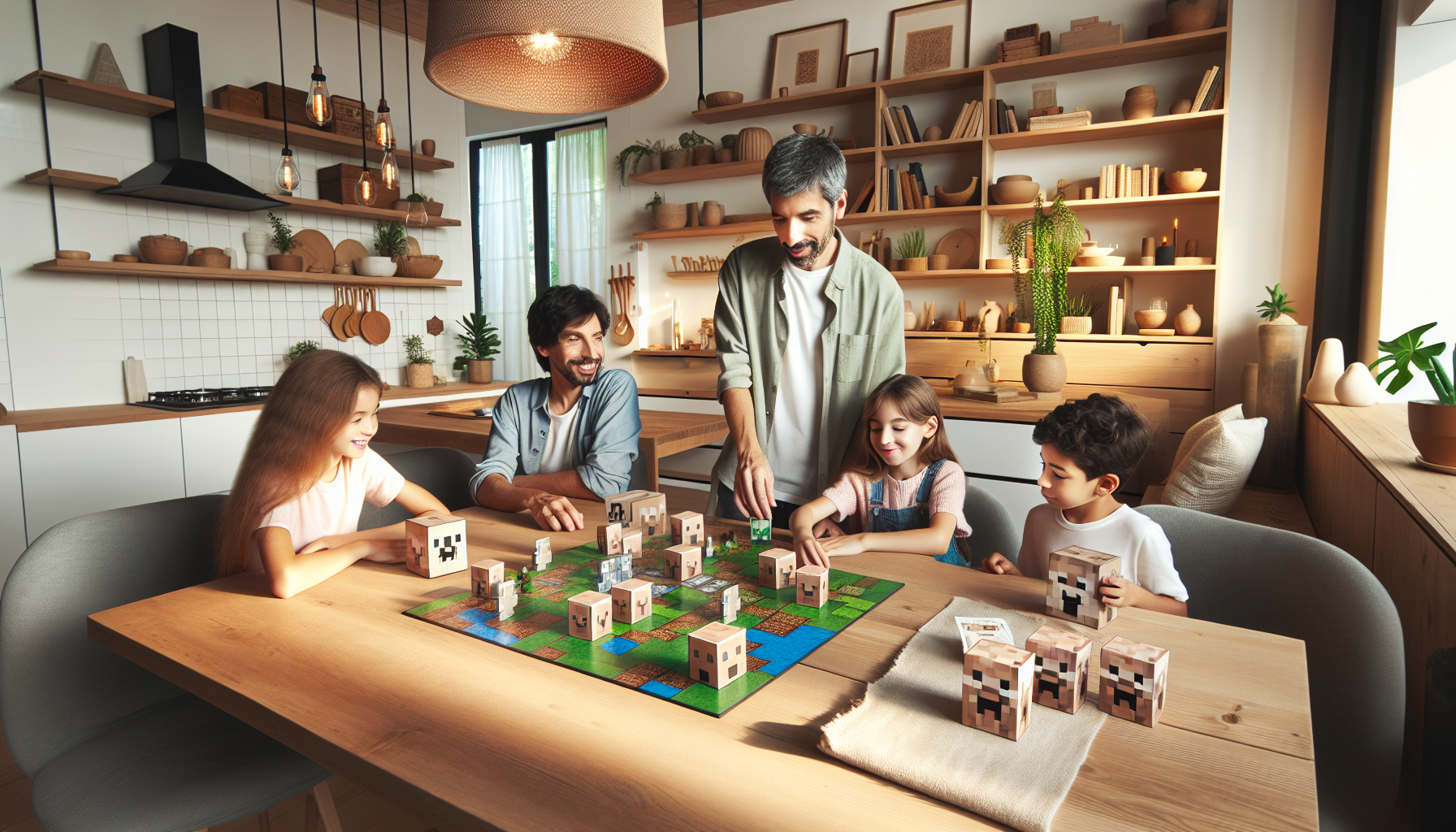
Minecraft board games are physical tabletop games that take everything that makes digital Minecraft so beloved – building, exploration, and fighting monsters – and move it to the kitchen table. For many Swedish families, this is the perfect bridge between screen time and analog togetherness, where children recognize the world and parents avoid another hour in front of the computer.
The Difference Between Digital Minecraft and Physical Minecraft Board Games
In the digital game, you move freely in an open world in real time. In Minecraft board games, everything happens turn-based and with clear rules, making it easier to play together across different ages.
Typically, in Minecraft board games, you:
-
Explore the world: Flipping tiles, discovering new biomes and resources step by step
-
Manage resources: Gathering wood, stone, ore, and using them smartly to build or upgrade
-
Build structures: Houses, walls, or special projects that yield points at the end of the game
-
Fight monsters: Mobs like zombies, creepers, and skeletons appear as cards or figures
This ensures that the feeling of the Minecraft world is preserved, but in a more structured format suitable for the board game table.
Cooperative or Competitive – Different Ways to Play Minecraft Offline
A common question many ask is: "Are Minecraft board games mostly cooperative or competitive?" The answer is: both, depending on which game you choose. Some titles focus on completing an adventure together, others on collecting the most points through clever strategy.
At Nerdbutiken.se, you'll often find popular titles such as Minecraft: Builders & Biomes, Minecraft: Heroes of the Village, and Minecraft: Portal Dash. Together, they cover everything from light family games to more tactical challenges for experienced players. In the following sections, we will go through these in more detail so you can easily find the right game for your family or gaming group.
Why Buy Minecraft Board Games from Nerdbutiken.se?
Buying Minecraft board games might seem simple – until you realize how many variants, language versions, and editions actually exist. Here, the choice of store becomes crucial. Nerdbutiken.se is a niche Swedish webshop for games, nerdy items, and collectibles, which makes a big difference compared to anonymous mega-stores where Minecraft is just one product among thousands. Here, the focus is on quality, gaming enjoyment, and ensuring you actually get the right game for the right player.
Advantages of a Specialized Online Nerd Store
-
Carefully curated assortment: Nerdbutiken.se selects Minecraft board games that work well for Swedish families, gaming groups, and fans – not just the cheapest stock.
-
Gaming-savvy Swedish support: You can ask specific questions about rules, difficulty, and age recommendations and get answers from someone who actually plays board games themselves.
-
Secure e-commerce in Sweden: Clear and well-known payment options, fast delivery within the country, and consumer rights according to Swedish law provide extra security, especially during Christmas and birthdays.
-
Related nerdy products: In addition to the board game itself, you'll often find card sleeves, storage, Minecraft merch, and gifts that thoughtfully complement the purchase.
Imagine a parent buying their first Minecraft board game for two children of different ages. In a generic store, they only get a product list. At Nerdbutiken.se, they can email or chat, describe the children's ages and gaming experience, and get a concrete suggestion – for example, a simpler family game for the younger child and a more strategic game that the whole family can grow into.
More Value Than Just the Lowest Price
Top-ranked articles often mention price, but miss how important the right match between game and player is. A niche store like Nerdbutiken.se reduces the risk of incorrect purchases, unnecessary returns, and disappointed children. You save time, get better accuracy in every purchase, and can build a small Minecraft collection that actually gets played – not just sits on the shelf. For those who want both gaming enjoyment and a smooth purchasing experience, this offers clear added value.
The Most Popular Minecraft Board Games – Comparison and Recommendations
When you're searching for the best Minecraft board game, you'll quickly notice that several titles frequently appear at the top of Google searches. At a niche store like Nerdbutiken.se, you'll typically find these favorites, carefully selected to suit families with children, casual players, and more strategic gamers alike. Instead of a long, cluttered list, we'll focus here on some of the most appreciated games – and what actually differentiates them in practice.
Popular Minecraft Board Games and What Makes Them Unique
-
Minecraft: Builders & Biomes – Recommended age: approx. 10+, 2–4 players, playtime around 45–60 min. Focus on exploration, block building, and tactics. Suitable for families where everyone enjoys a bit more strategy, but still simple enough for older children.
-
Minecraft: Heroes of the Village – Recommended age: approx. 7+, 1–4 players, playtime approx. 20–40 min. Cooperative game where you work together to defend the village from pillagers. Perfect as a first Minecraft board game for younger children and families who want to play against the game, not against each other.
-
Minecraft: Portal Dash – Recommended age: approx. 10–12+, 1–4 players, playtime approx. 45 min. More intense, focusing on combat, planning, and survival in the Nether. Aimed at players who enjoy a challenge and tactical choices.
By weighing age, playtime, and complexity against your group's needs, you can avoid mispurchases – something many reviewers point out as crucial for a successful game night.
Which Minecraft Board Game Is Right for Whom?
Top online articles often compare only rules and components, but miss how the games actually feel around the table. A simple rule of thumb is:
-
Younger children & families: Choose cooperative games like Heroes of the Village – shorter sessions, simpler decisions, and less conflict.
-
Mixed ages: Builders & Biomes is a strong all-around choice; easy to learn, but with enough depth that adults won't get bored immediately.
-
Strategy and action lovers: Portal Dash offers more pressure, more choices, and a clear "player versus game" feel that many teenagers appreciate.
At Nerdbutiken.se, you can also filter by age, playtime, and number of players, making it easy to quickly find the right level for your family or gaming group. This way, you build a thoughtful Minecraft collection where each game plays a distinct role – from the first family game to more challenging evenings with friends.
How to Choose the Right Minecraft Board Game for Your Family or Gaming Group
Choosing the right Minecraft board game isn't just about which cover looks the most fun. To have a game night where both children and adults actually want to play again, it's essential to match the game's level, length, and style to your particular family or gaming group. Here, we break down the most important choices, so you can use the product information on Nerdbutiken.se smartly instead of guessing.
Key Factors to Consider Before Purchasing
When comparing different Minecraft board games on Nerdbutiken.se, start with:
- Age and gaming experience:
- Younger children (6–9 years old) benefit from simple rules, clear icons, and short playing times.
- Tweens/teenagers can handle more text, multiple actions per round, and more tactics.
- Playing time and energy:
- Choose games of 15–30 minutes for weeknights.
- Bring out games of 45–60+ minutes for weekends and holidays when you have more time.
- Cooperation vs. competition:
- Cooperative games are suitable for families where someone easily gets upset about losing.
- Competitive games are suitable for groups of friends and families who enjoy rivalry in a fun way.
- Table space and setup:
- Do you have a small table? Choose games with fewer tiles and less setup.
- Larger, more "build-the-game"-heavy titles are suitable for those who like to set up properly.
Always look at the box with the recommended age, playing time, number of players, and complexity in the product description – it often provides the answer faster than the front of the box.
Concrete Recommendations and Simple Checklist
As a rule of thumb, you can think like this:
- Families with children aged 6–9: Look for Minecraft games labeled as family games, with simple icon-based graphics and a maximum of 30–40 minutes of playtime. Cooperative variants are often best here.
- Tweens/teenagers + parents: Choose games with more strategy, where resource management, upgrades, and scorekeeping play a larger role. Longer playing times are not a problem if everyone is motivated.
-
Groups of friends: Opt for games with a clear competitive feel, more tactics, and preferably the ability to "disrupt" each other on the board – perfect for a game night with snacks and laughter.
Use this short checklist before clicking "buy" on Nerdbutiken.se:
-
Does the recommended age match the youngest player?
-
Is the playing time reasonable for how long you usually manage to play?
-
Do you primarily want to cooperate or compete?
-
Will the game fit on your table? (Check the pictures!)
-
Do the rules seem manageable based on your previous gaming experience?
If you follow these steps, there's a much greater chance that your first – or next – Minecraft board game will actually hit the table often, instead of collecting dust on the game shelf.
Tips for Getting Started – From Unboxing to Your First Minecraft Game Night
The first encounter with a new Minecraft board game can feel both exciting and a little overwhelming – especially if it's your first time playing a "real" family game with the kids. By spending a few minutes on smart preparation, you'll have a first game night that flows smoothly, without stress, squabbles, or rule chaos. Here, we'll go through a concrete step-by-step approach that many experienced board gamers recommend, adapted specifically for Minecraft games you'll find at Nerdbutiken.se.
From Unboxing to Game Ready – Step by Step
-
Unpack and sort immediately: Place cards in separate piles, sort wooden cubes/markers into small zip-bags or boxes. This makes future setup much faster.
-
Read the rules in stages: Start with the overview ("the goal of the game"), then turn order. Skip detailed special cases until you actually encounter them during the game.
-
Prepare the game board together: Let the children help set up the world – sort tiles, place blocks, arrange figures. This makes them immediately recognize the Minecraft feel.
-
Test run without competitive stress: Play 3–4 rounds "pretend" where you can backtrack moves and try different options.
A practical tip is to have the product page from Nerdbutiken.se open on your mobile during the first game. Many games have concise summaries and sometimes FAQs in the product texts that quickly explain the most common things you get stuck on.
Simplify the Rules the First Time (Minecraft-Friendly “House Rules”)
For younger children and inexperienced players, it's wise to simplify the game on the first evening. For example, you can:
-
Skip advanced scoring rules in the first game and just focus on building, exploring, and fighting mobs.
-
Reduce playing time by playing to a lower score goal or fewer rounds.
-
Link each rule to the game they know: "When you collect wood here, it's like when you chop trees in Minecraft," "When we turn up an enemy, it's like when a Creeper appears at night."
The point is not to play "perfectly" from the start, but for everyone around the table to want to play again. Once the basics are established, you can introduce more rules and expanded variants – and then Minecraft board games truly come into their own as a recurring family activity.
Make the Gaming Experience Even More Fun – Accessories, Theme Nights, and Gifts
Once you've found the right Minecraft board game, the next step is to make the game night memorable. This is often where the most appreciated experiences differ from the "just okay" ones – through small details like theme, accessories, and smartly presented packages. At Nerdbutiken.se, you'll find both the games and nerdy items that make the evening feel like stepping into a real Minecraft world, not just playing a game at the kitchen table.
Create a Minecraft Theme Night at Home
Here's how you can build a simple but maximized theme night around your Minecraft board game:
-
Decorations: Creeper balloons, green and brown tablecloths resembling grass and dirt blocks, printed pixelated figures on the walls
-
Snacks: "Redstone juice" (red soda or cordial), "gold popcorn" (popcorn in yellow mugs), chocolate pieces as "coal ore"
-
Accessories from Nerdbutiken.se: card sleeves for games with many cards, storage boxes for all small cubes/markers, and ideally a playmat to help keep components organized
Consider which Minecraft board game you're playing: if it's more action-packed, you can play music lists with an adventurous atmosphere; if it's more building-focused, you can let all the children first draw their own "base" on paper before starting the game.
Gift Packages and Ready-Made Ideas from Nerdbutiken.se
Minecraft board games are perfect gifts, but they become even better in a well-thought-out package. For example, combine:
-
Younger children (6–9 years): simpler Minecraft board game + soft Creeper or pig plushie
-
Tweens/teenagers: more strategic Minecraft game + cool Minecraft mug or poster for their room
-
Family package: a game + card sleeves and a storage box, so everything lasts for many game nights to come
Add a handwritten "game night ticket" to the package, promising popcorn, themed snacks, and that phones will be left in another room. It's these details that make the gift feel personal – and which are often not mentioned in standard product descriptions. This way, your purchase from Nerdbutiken.se isn't just a game, but the start of an entire Minecraft tradition in your home.
How to Care for Your Minecraft Board Games – Durability and Longevity
A Minecraft board game can be played for many years – if you take care of it properly. Many guides talk about which games to buy, but few go into depth about storage, maintenance, and repair. Here's a practical, step-by-step guide to ensure your games last through intense family nights and future generations.
Smart Storage That Withstands Family Life
-
Store in a dry, cool place: Keep games in a dry room, away from radiators, basement dampness, and direct sunlight, which can fade boxes and game boards.
-
Use zip-bags and small boxes: Sort cards, cubes, tokens, and other small parts into zip-bags or small plastic containers. This reduces the risk of pieces going missing after each Minecraft game night.
-
Organize each box: It's a good idea to put a simple contents list in the lid (e.g., printed from Nerdbutiken.se or your own note) so you can quickly see if anything is missing when you pack up.
This may sound basic, but in practice, it's precisely the lack of structure that makes games quickly feel "messy" and therefore used less. By having a clear order, it becomes easy for children to help out themselves – which both saves time and teaches them to care for their belongings.
How to Protect Components – Even with Younger Children
-
Introduce table rules: Establish simple rules such as "no sticky hands," "cards are not bent," and "figures are not thrown." Make it part of the game ritual before you start.
-
Laminate reference sheets: If the game has reference cards or summaries, laminate copies. This allows children to use them freely without the originals getting worn.
-
Protect delicate parts: Consider card sleeves for frequently used decks, especially in games like Minecraft: Portal Dash or other action-packed titles where cards are handled a lot.
By talking about game components as "tools" in your shared Minecraft world, it becomes easier for children to understand why they should be careful – just like when they build something important in the online game.
Simple Repairs and Why It Pays to Care for Your Games
Minor damage doesn't mean the game is ruined. You can:
-
Tape cardboard corners with transparent, strong tape from the inside of the lid/bottom to reinforce without it being too visible.
-
Replace worn plastic bags with sturdier alternatives or hard cases for better long-term storage.
Taking care of your Minecraft board games not only makes them last longer and feel fresher – it also increases their value if you ever want to sell them, give them to friends, or let younger siblings and cousins "inherit" your collection. A well-maintained game shelf simply becomes a sustainable investment in many years of analog Minecraft adventures.
Frequently Asked Questions about Minecraft Board Games and Nerdbutiken.se
Q: Which Minecraft board game should I start with if my children love the game but are new to board games?
A: For younger or inexperienced players, it's smart to choose a simpler, more forgiving game. Look for a recommended age of 7–8 years, shorter playing time (20–40 minutes), and clear, colorful components. At Nerdbutiken.se, you can filter by age and read the product description: look for words like family game, simple rules, and cooperative. Base your choice on the children's patience – a slightly too simple game is better than one that's too difficult, especially the first time you try offline board games.
Q: Are Minecraft board games only fun for children, or do they also work for adult players?
A: Many Minecraft board games are designed as family games, which means adults also have fun – especially those who enjoy strategy, resource management, and light tactical thinking. Some titles have two "levels": you can play with simplified rules with children, and add advanced rules when playing with friends. Read at Nerdbutiken.se for information on difficulty level and strategy level to find something that suits both children and adults in the household.
Q: How much difference is there between the various Minecraft board games? Don't they all feel the same?
A: The difference is greater than many people think. Some focus on building and exploration, others more on monster battles or pure cooperation against the game. Compare: number of players, playing time, whether the game is cooperative or competitive, and which mechanics dominate. A good method is to open 2–3 product pages on Nerdbutiken.se simultaneously and compare the bullet points for components, rules, and game objectives – you'll quickly see which one best suits your playstyle.
Q: How do I know if a Minecraft board game is truly suitable for my child's age, and not just according to the box?
A: The age recommendation on the box is a good start, but also look at:
- Amount of text (do you have to read many cards/rules?)
- Playing time (can the child focus for 45–60 minutes?)
- Abstract thinking (does it require planning several moves ahead?)
Read customer reviews and Q&A on Nerdbutiken.se – other parents often write "worked well for our 7-year-old" or "better from 10 years and up." Use this as a reality check against the age on the box.
Q: Do I need to buy any extra accessories to get more out of our Minecraft board games?
A: You don't have to, but the right accessories make a big difference in the long run. Common, affordable purchases are:
- Card protectors for frequently used cards (perfect for families with children)
- Storage boxes or zip bags for small components
- Game mats if you want to protect the table and keep the pieces organized
At Nerdbutiken.se, you'll also find Minecraft merch such as mugs, plushies, and posters – perfect if you want to create a whole Minecraft-themed evening around the board game.
Q: How do we avoid conflicts and arguments when playing Minecraft board games with children?
A: Conflicts often arise when rules are unclear or when the focus on winning becomes too intense. Some proven tricks are:
- Start with a pure training round where no one wins
- Explain the purpose: have fun together, not "win at all costs"
- Introduce simple house rules: e.g., no teasing, no "rage-quitting" without a pause and talk first
- Initially, prefer cooperative Minecraft board games where you win or lose together
By adapting the game level and expectations to the group, Minecraft board game evenings usually become one of the week's highlights – for both children and adults.
Time to build on your offline Minecraft game collection
In this guide, you have received a complete overview of Minecraft board games – what they are, how they work, and how to choose the right game for your family or game group. We have compared popular titles, reviewed age, playing time, difficulty level, and play style, and looked at how to create magical game nights with themes, accessories, and smart storage that give the games a longer lifespan. Together, all of this shows why Minecraft board games are one of the most valuable ways for Swedish Minecraft fans of all ages to socialize offline.
The next step is simple: visit Nerdbutiken.se, filter by Minecraft board games, and use the article's checklists when comparing options. Feel free to start with a game suitable for a wide age range, try it during a relaxed game night, and then build on with more titles based on what you liked best – more cooperation, more strategy, or more action. This way, you create a sustainable game collection where the whole family can unleash their Minecraft creativity, but now around the kitchen table instead of in front of a screen.