


Discover Gundam: From Japanese Cult Classic to Global Phenomenon
Have you ever been fascinated by epic robot battles, deep characters, and complex visions of the future? Then you've probably heard of Gundam, the iconic Japanese science fiction franchise that changed the anime world forever. It all began in 1979 with Mobile Suit Gundam, a TV series that set the standard for the "real robot" genre and quickly became a cultural phenomenon far beyond Japan's borders.
In this post, you'll get an in-depth guide to Gundam's origins, its unique universe, diverse media offerings, and the Gunpla model kits – a hobby that has engaged millions of fans worldwide. Whether you're a curious beginner or a veteran of the mecha and anime world, you'll discover why Gundam continues to inspire, innovate, and fascinate generation after generation.
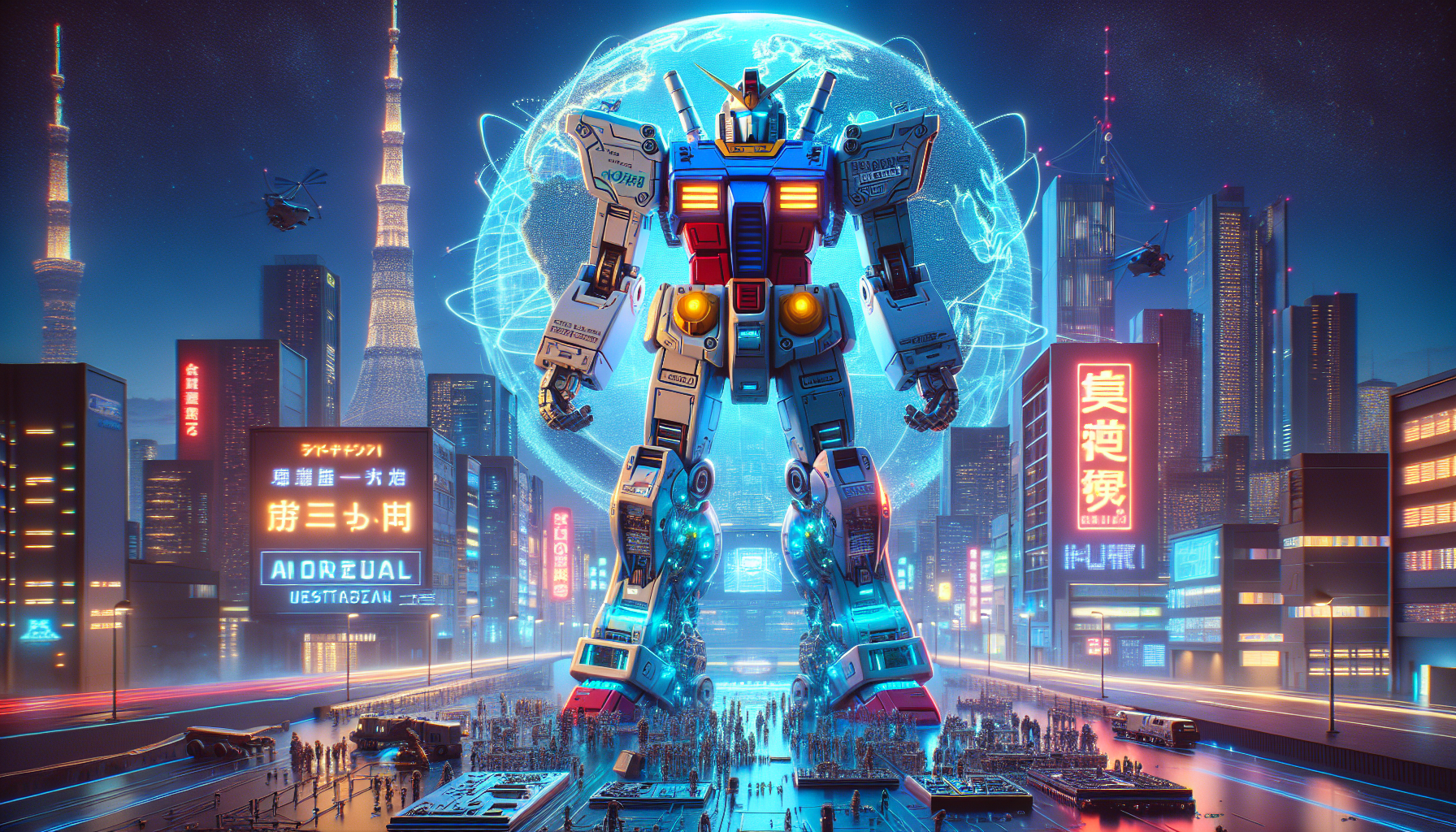
Gundam's journey began in 1979 with the TV series Mobile Suit Gundam, created by Yoshiyuki Tomino in collaboration with the animation studio Sunrise. The series set a new standard for science fiction and the mecha genre in Japan by introducing the concept of “real robot.” Unlike earlier series in the “super robot” genre, where robots were often invulnerable heroes, Gundam presented mechas as machines with limitations, realistic technology, and human operators. This laid the foundation for a whole new way to tell stories about war, politics, and relationships through animated entertainment.
Gundam and the Real Robot Genre
- Realism and Complexity: Gundam transformed mecha anime by giving robot battles consequences and involving the political, ethical, and psychological effects of war.
- Distinction from Super Robot Series: Instead of magical or superhuman powers, Gundams are based on plausible technology and societal structures that mirror real-world politics and conflicts.
-
Humanism and the Price of War: Several main characters in Gundam are young men and women forced to confront ethical dilemmas, losses, and the moral cost of war – something that still makes the series unique.
The iconic design behind “Gundam” has become a trendsetter; the white, blue, and red machine with the golden “V-fin” adorns everything from TV series to model kits. Gundam robots are not just weapons, but also symbols of hope, resistance, and sometimes lost innocence in conflicts. This message has made the franchise relevant to different generations and created a deep engagement among fans.
Gundam's Conceptual Significance
Gundam has always been more than just action-packed robot battles. The series reflects themes such as the balance of power, human ambition, and the impact of technology on society. Tomino's vision was to question the glorification of violence and show the true costs of war – an approach that has become a hallmark of the franchise and placed it at the center of both academic analysis and popular culture. Few other anime series have achieved the same complexity and depth in their storytelling, contributing to Gundam's status as an enduring cultural phenomenon.
The Gundam Universe's Different Timelines and Series
The Gundam universe is characterized by its unique and complex structure, where several parallel timelines and alternate worlds create a deep and multifaceted narrative world. Since the debut of Mobile Suit Gundam in 1979, the franchise has evolved to encompass a range of timelines that both relate to each other and stand as independent stories. This has created a universe that appeals to both new and seasoned fans, whether they prefer classic narratives or modern interpretations.
Central Timelines and Public Favorites
- Universal Century (UC): The original and most iconic timeline, where the events of the first series take place. UC forms the basis for many subsequent stories and spin-offs that further develop the series' themes of war and human ambition.
- Alternate Universes: From the 1990s onwards, alternative timelines such as After Colony (Gundam Wing), Cosmic Era (Gundam SEED), and Post Disaster (Iron-Blooded Orphans) were developed. These offer new perspectives, political conflicts, and variations on the core concept.
-
Popular Series: In addition to the original series, examples such as “Gundam Wing,” “Gundam 00,” and “Iron-Blooded Orphans” have contributed strongly to the series' global popularity and created different generations of fans.
By introducing alternative timelines, Gundam has managed to stay relevant and innovative, making each sub-series unique yet linked to the overarching theme of war and peace. The variation in storytelling techniques and plot has also made the franchise a unique topic of discussion within anime culture.
Academic and Cultural Perspectives
Gundam's complex universe offers rich opportunities for both cultural and academic interpretations. The virtual Gundam Academy demonstrates the series' importance as a subject of study, where themes such as ethics, politics, and human responsibility constantly recur. From Japanese schools to international anime conventions, Gundam is used to explore deep societal issues and generate creative debates among fans and experts. This reflects the franchise's unique role – not only as popular culture, but also as a framework for inspiration and analysis in both art and social sciences.
Gundam in Various Media – Anime, Manga, Games, and More
Since its debut in 1979, the Gundam franchise has grown far beyond its roots in Japanese anime and evolved into one of the world's most versatile pop culture phenomena. Early on, the creators recognized the potential of letting Gundam's stories and themes permeate several different media – from films and manga to video games and novels. This strategy has not only broadened the franchise's audience but also strengthened its position as a cultural and commercial powerhouse in both East and West.
Expansion to New Media Forms
- Anime Series and Films: With numerous animated TV series and feature films covering different timelines, Gundam has created a rich universe with many stories and characters, adapted for both Japanese and international viewers.
- Manga and Novels: Parallel stories and deeper character development are offered through a wide range of manga and books that often explore themes and perspectives not covered in the anime.
- Video Games: Over time, Gundam has launched games on everything from classic consoles to modern mobile platforms. The games cover genres such as strategy, action, and role-playing, paving the way for unique interactivity.
-
Digital Content and Streaming: The franchise has embraced the digital age through streaming services, apps, and global launches, enabling simplified access to both classics and new releases.
This multifaceted presence means that both long-time fans and newcomers can easily find their own way to explore the world of Gundam. A concrete example is how streaming services like Crunchyroll make classic series available to a new generation worldwide, while mobile games attract younger users who might otherwise lack a connection to the original series. The fact that Bandai Namco Holdings controls the rights has been crucial for the rapid adaptation to new platforms and international expansion.
Global Reach and Cultural Impact
In summary, Gundam's success has largely been built on its ability to constantly innovate within various media forms. By varying narrative formats, exploring new technological possibilities, and understanding audiences' changing consumption behavior, the franchise continues to be relevant and inspiring. Whether it's following the latest anime, building models based on gaming experiences, or reading in-depth novels, Gundam is a franchise that offers depth, variety, and lasting impressions for fans worldwide.
Gunpla: Model Building as a Global Hobby
Gunpla, or Gundam Plastic Models, has grown into one of the most iconic and beloved aspects of the Gundam franchise. These plastic models, first introduced in the early 1980s, offer fans an interactive and creative experience beyond anime and manga. What makes Gunpla unique is that it combines art, engineering, and passion – model builders can recreate their favorite mobile suits, customize them to their liking, and participate in a vibrant hobby culture that spans the globe.
Different Gunpla Series and Levels
The range of models extends from simpler High Grade (HG) models to advanced Perfect Grade (PG). Below are some leading categories:
-
High Grade (HG): Perfect for beginners and affordable, with simple construction yet impressive detail.
-
Master Grade (MG): Higher complexity and larger models, often with advanced movable parts and more building steps.
-
Real Grade (RG): Compact size like HG but MG-like detail and articulation for enthusiasts who want more realism, but in a smaller footprint.
-
Perfect Grade (PG): The premium series with maximum complexity, mobility, and detail – aimed at advanced collectors and enthusiasts.
There are also exclusive and limited models sold only at special events, online, or through partnerships, which adds collectible value and encourages international trade and competitions.
Gunpla Events and the Global Hobby Culture
Gunpla is not just a product; it has grown into a global movement that brings people together. International events like the Gunpla Builders World Cup give fans from different countries the opportunity to showcase their unique builds and compete for glory and prizes. Workshops, local build meetups, and social media have facilitated knowledge exchange and inspiration, contributing to the hobby's expansion.
Economically, Gunpla constitutes a significant portion of the Gundam franchise's annual revenue; it has helped Bandai Namco achieve billions in sales and continues to strengthen the brand. For many, Gunpla is a creative pathway into learning technology, artistic development, and community – ensuring that Gundam continues to inspire new generations deeply.
Gundam's Impact on Pop Culture and Future Trends
The Gundam franchise's reach extends far beyond the anime world and has become a symbol of Japanese pop culture globally. Its influence is evident in both creative collaborations and academic initiatives, and Gundam is now as much a cultural phenomenon as an entertainment brand. With series productions, toys, and collectibles generating billions annually, Gundam has achieved iconic status both in Japan and internationally. The franchise has inspired countless mecha series and contributed to shaping the aesthetic and narrative of the entire anime industry.
Innovation, Economy, and Global Collaborations
- Gundam has served as a source of inspiration for generations of anime and science fiction creators, especially within the mecha genre. The “real robot” aesthetic and the complex stories of politics, war, and human interaction have set the standard for other works.
- Economically, Gundam is a giant, with over 5 billion dollars in accumulated sales by the year 2000 and annual revenue exceeding 100 billion yen. Its success has been strengthened by various Gunpla and merchandise initiatives, as well as collaborations with, for example, brand design, clothing, and technology companies.
- Academic interest has grown, partly through the creation of the virtual “Gundam Academy,” where the series is studied as a source of inspiration for technology, design, and society.
In addition to these aspects, the franchise's role as a market leader has led to events, exhibitions, and temporary Gundam cafés popping up worldwide. Franchise experiences like Gundam Factory Yokohama – with a full-scale moving Gundam – demonstrate the innovative power that continues to attract new fans.
Upcoming Initiatives and the Future of the Franchise
Gundam's future is bright with a constantly growing number of projects and cross-border initiatives. New anime series, films, and collaborations are continuously planned, while Bandai Namco's strong brand strategy incorporates digital initiatives and immersive events. With a legacy that continues to evolve, Gundam follows both technological innovations and changing audience interests and trends in contemporary culture. The franchise's history is therefore far from over – it is moving into the future with full force.
Frequently Asked Questions
Q: What is the most important thing to know about the Gundam series?
A: Gundam is not only a popular Japanese science fiction franchise but has also been a groundbreaking force in the anime world since 1979. The series introduced the concept of "real robot" and thereby set a new standard for the genre, focusing on realism, the ethics of war, and complex character development rather than supernatural powers. Gundam encompasses a variety of media – from TV series and films to manga, novels, and plastic models (Gunpla) – which has contributed to its multifaceted and enduring popularity.
Q: How has Gundam influenced or adapted to today's trends in pop culture and anime?
A: Gundam continues to influence and inspire creators and fans worldwide. The franchise's business model is constantly evolving with digital content, mobile games, and collaborations with other brands. Adaptation to different markets and target groups has cemented Gundam's status as a global pop culture icon. International events, such as Gunpla competitions and exhibitions, engage new generations of fans and keep interest alive.
Q: What are the common misconceptions about Gundam?
A: Many mistakenly believe that Gundam is just a children's series or only about robot battles. In fact, the series explores complex themes such as politics, human relationships, and morality during war. Some new viewers also miss the distinction between "super robot" and "real robot" genres, with Gundam falling into the more realistic and down-to-earth category.
Q: What resources or tools are recommended for those who want to learn more about Gundam?
A: In addition to the iconic TV series like "Mobile Suit Gundam" and "Gundam Wing," there are manga, accessible streaming services, and official websites like gundam.info. Gunpla model building is also an excellent way to delve into the franchise's creative universe. There are also many online forums and dedicated communities where beginners can get help and tips.
Q: How can one start with Gundam – what steps should beginners take?
A: Start by identifying which timeline or series interests you most, for example, Universal Century for a classic setup or an "Alternate Universe" series if you want a standalone story. Explore official streaming platforms to watch episodes legally. If you're interested in model building, you can start with a basic Gunpla kit (HG) and join online groups for tutorials and inspiration. Following news from Bandai Namco and participating in digital events can also help you become part of the Gundam community.
Q: What economic and cultural impact has Gundam made globally?
A: Gundam is one of Japan's most successful brands, with annual revenues exceeding 100 billion yen. The franchise has had a major impact not only in anime but also in the toy industry, technological development, and even academic studies, such as the virtual Gundam Academy. This underscores its profound influence on both the entertainment world and society at large.
Summary: Gundam's Enduring Influence and Future Opportunities
Gundam has cemented its role as one of the world's most influential science fiction franchises – not only within anime and manga but also through its imprint on popular culture, model hobbies, and game design. Originating from Yoshiyuki Tomino and Sunrise in 1979, mobile suits, diverse timelines, and Gunpla have set the standard for the mecha genre worldwide. The franchise is a unique example of how deep themes of war, technology, and humanity can be combined with creative innovation and global impact.
Whether you are a curious beginner, a collector of plastic models, or a passionate anime fan, there are always new dimensions to discover within Gundam. Dive deeper into the series' complex universe, explore Gunpla as a hobby, or follow the latest trends and collaborations that shape the franchise's future. Let yourself be inspired by Gundam's rich legacy – start your own journey into this iconic world today!