


Mattel – The Toy Giant That Shaped Generations
Few companies have impacted children's everyday lives and imaginations like Mattel, a global leader in the toy industry. Whether you remember your first Barbie, the thrill of Hot Wheels, or family game nights filled with UNO, Mattel's products have become an integral part of play for generations worldwide. But what truly lies behind the company's success, and how do they continue to stay ahead in an era of rapid change?
In this guide, we'll take you on a journey through Mattel's exciting history, explore their most iconic toys, look into the future of play, and provide practical tips for those who want to make smart choices in the toy jungle. You'll learn more about innovation, sustainability, equality, and the company's impact both globally and in our Swedish children's culture. Welcome to discover what makes Mattel a pioneer in the world of play!
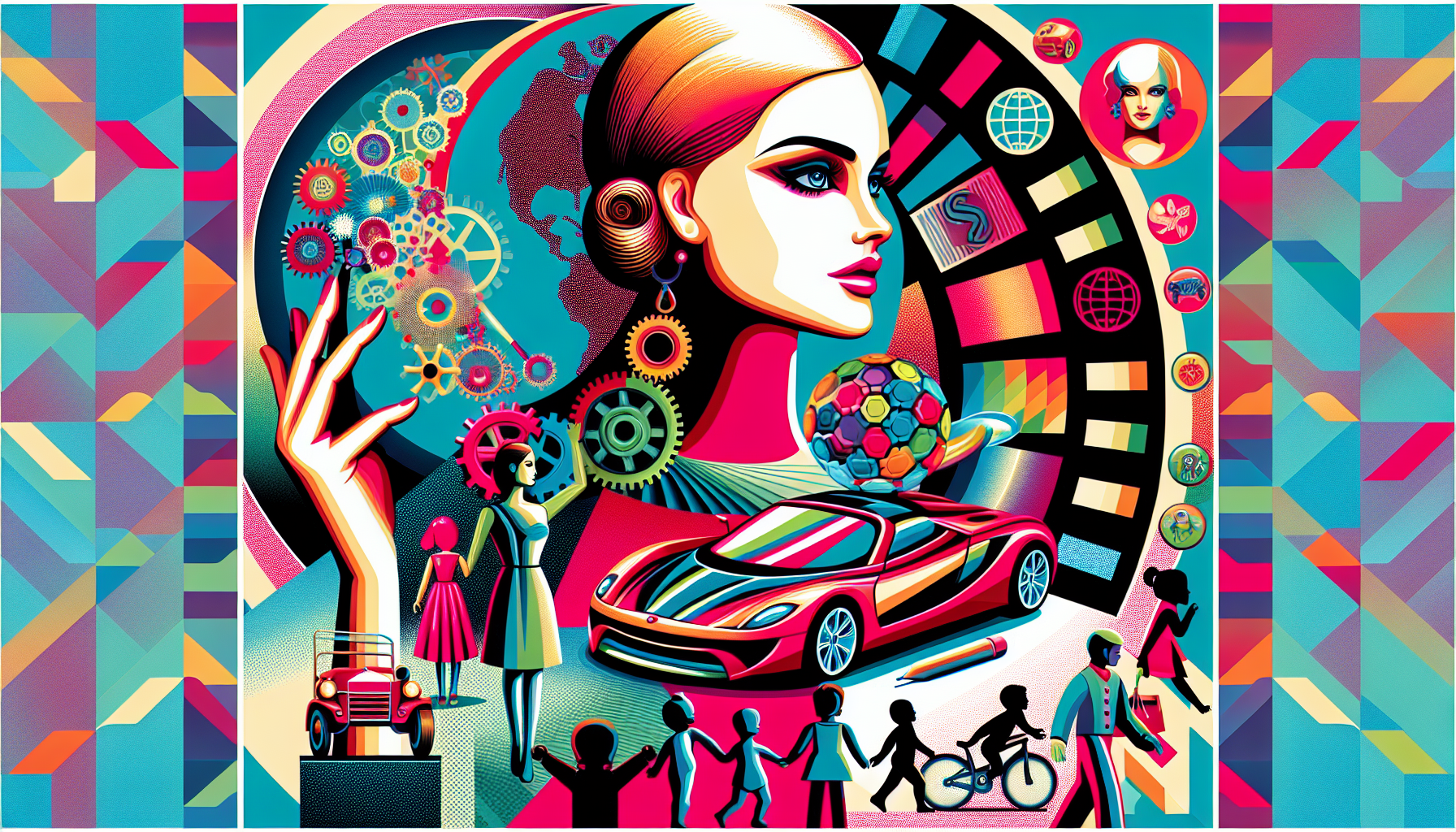
Today, Mattel is synonymous with innovation and the joy of play, but the company's journey began in modest circumstances. Founded in 1945 by Harold Matson and the couple Elliot and Ruth Handler in Southern California, Mattel started as a small garage business focusing on simple wooden frames for doll carriages and picture frames. They laid the foundation for what would become one of the world's most influential toy manufacturers by early on understanding the importance of both quality and creativity.
Crucial moments in Mattel's early development
- Breakthrough with Uke-A-Doodle: One of their first successes was the Uke-A-Doodle ukulele, which quickly became popular among American children.
- Barbie launches in 1959: Ruth Handler's vision for a more sophisticated doll resulted in Barbie, an innovation that changed the toy industry forever and put Mattel on the world map.
-
Early growth phases: Over the years, the company introduced products like Hot Wheels and developed licensing collaborations with major media companies, which broadened the product range and the company's global reach.
Mattel was among the first to use TV advertising for toys, which quickly reached a wide target audience and strengthened brand awareness. An example of the company's innovative power is that already in the 1960s, they developed talking dolls – something groundbreaking for the time.
The path to global leadership
By continuously launching innovative products and expanding internationally, Mattel became a symbol of quality and children's creativity on several continents. The company has not only shaped its own success but also influenced the entire toy industry, from how products are marketed to how play evolves over generations. Mattel's history is more than just the emergence of a company – it is the story of the ideas that changed children's everyday lives worldwide.
Iconic products and brands from Mattel
Over the years, Mattel has created a number of iconic toys and brands that have shaped the childhoods of millions of children worldwide. With a product range that both reflects and drives popular culture, Mattel has established itself as a trendsetter in the toy industry. Few other companies can boast the same breadth of beloved products, some of which have become collector's items and cult phenomena.
Mattel's most beloved toys of all time
- Barbie: Launched in 1959 and still one of the world's best-selling dolls. Barbie has undergone many changes and has become a symbol of ambition and variety.
- Hot Wheels: These cars and tracks, introduced in 1968, have appealed to both playful children and dedicated collectors, largely due to their innovation and design collaborations.
- Fisher-Price: For younger children, Fisher-Price has provided educational and imaginative products like Little People and high-quality baby toys.
- Masters of the Universe: He-Man and his universe became a massive phenomenon in the 1980s – both as action figures and a TV series.
-
UNO: The card game UNO has entertained generations and is an example of how Mattel successfully blends simplicity, playfulness, and a broad target audience.
Many of these products have been reinvented to suit today's children and given new life through movies, digital games, or new designs that reflect current societal issues. Barbie, for example, has acquired many new professions and body types, which both inspires and engages.
Brands with global and cultural impact
Mattel's influence extends beyond products – they have become cultural phenomena. The brands have spawned their own TV series, movies, and collaborations with several of the world's largest companies and artists. Many children and adults worldwide have a personal memory associated with Mattel's toys, making these products timeless. Furthermore, Mattel continues to expand with new games, figures, and interactive concepts that reflect trends and children's changing ways of playing.
Innovation and trends in toy design
There is no doubt that Mattel is one of the world's most innovative companies in toy design. Over decades, Mattel has not only adapted to new technologies and trends but has often driven development forward. The company continuously invests in research and development to create products that meet the expectations of both children and parents in a rapidly changing world where play and learning merge.
Innovative materials and design
- Development of new concepts: Mattel has repeatedly introduced revolutionary concepts, from Barbie's flexible body types to Hot Wheels tracks that stimulate both imagination and motor skills.
- Sustainability initiatives: In recent years, Mattel has launched products made from recycled or bio-based materials, such as Barbie dolls made from recycled plastic, demonstrating a clear environmental focus.
-
Digital and physical integration: The company has adapted classic products by introducing digital elements, such as Hot Wheels AI and Fisher-Price smart toys that connect to apps and networks, creating new, interactive forms of play.
This combination of groundbreaking design and environmental awareness positions Mattel at the forefront of toy development. By listening to both children and parents, they can continuously improve their offerings and provide attractive, safe products that feel relevant at all times.
Responding to changing consumer needs
Mattel is particularly responsive to consumers' increasingly conscious demands for inclusion, pedagogy, and sustainability. They engage in global collaborations – for example, partnerships to support children's education through play – and introduce toys that reflect today's multifaceted society. Mattel's innovative power is demonstrated not only in what appears on store shelves but also in the company's ambition to create toys for future children and the world's best play.
Mattel and equality – Play for everyone
In recent years, Mattel has taken great strides to promote equality and diversity in the world of toys. The work around Barbie has been particularly notable, where Mattel has actively challenged old stereotypes and invested in toys that reflect the diverse and inclusive reality of society. Their efforts have not only resulted in broader representation on store shelves but also inspired important conversations about identity, body image, and role models for new generations.
Barbie's evolution and inclusive initiatives
- Barbie becomes a role model – Initially, Barbie was often criticized for her unrealistic body ideals, but since 2016, Mattel has launched dolls with various body shapes, skin tones, and functional variations. Nowadays, Barbie is available in a multitude of versions where children can identify with dolls wearing hearing aids, using wheelchairs, or representing different nationalities.
- Diversity among characters – Through new toys and collections, Mattel has expanded its range with characters of different genders, skin colors, religions, and professions, helping children see possibilities beyond stereotypical norms.
-
Representation in campaigns – Mattel engages in current collaborations with influencers and organizations working for increased equality, and runs projects at both local and global levels to promote equal treatment.
By bringing diversity into their products, Mattel has given parents and children more options that reflect the society we live in. For example, Barbie's "Inspiring Women" series quickly became popular as it highlights historically important female role models.
The future of equitable play
Mattel's work shows that toys can be both fun and important tools for shaping values early in children's lives. At the same time, the discussion about representation is ongoing, and the challenges are many. By continuing to develop inclusive toys and campaigns, Mattel contributes to setting a new standard in the industry and being a strong driving force for positive change, which other manufacturers can also be inspired by.
Mattel in the Swedish and Nordic market
Mattel is not only a global player but has also had a strong presence in Sweden and the Nordics for many decades. The company's well-known brands are represented in almost every Swedish toy store, and the products have become an integral part of many children's everyday lives here too. Through strategic collaborations, targeted marketing efforts, and local partnerships, Mattel has managed to create a unique position and closely follows the Nordic consumers' wishes and trends.
Local collaborations and cultural adaptation
- Partnerships with Swedish retailers: Mattel collaborates with leading Swedish and Nordic toy chains such as BR Leksaker, Lekia, and Åhléns for optimal visibility in stores and online.
- Collaborations with influencers: In recent years, Mattel has increased its presence on social media through collaborations with Swedish family influencers and YouTube profiles, strengthening the relationship with new generations of parents and children.
-
Cultural integration: Mattel has launched unique campaigns and special editions adapted to Swedish holidays and trends, such as Barbie Lucia and Hot Wheels events linked to local car cultures, something few other global toy companies have done.
These initiatives are crucial for building long-term relationships with Swedish children and families. They also demonstrate Mattel's openness and flexibility in adapting global brands to local conditions.
Mattel in Swedish children's culture
Mattel's products have also become iconic in Sweden and contribute to both play and learning. Barbie, Hot Wheels, and Fisher-Price are often seen as Christmas presents under the tree, and classic games like UNO are popular family activities. Mattel's presence is also visible in TV commercials, theme days at preschools, and through collaborations with recreational activities across the country.
Overall, Mattel not only delivers global bestsellers to Swedish children but is also actively present in our cultural life and adapts to both modern technology and local traditions – something that further strengthens the company's position in the Nordic market.
Digitization and the toys of the future
As children's play habits and interest in technology change, digitalization has become a central part of Mattel's strategy. To remain relevant and attract new generations, Mattel is developing innovative solutions where classic toys are cross-pollinated with new technology. Many of the company's top-ranked successes today are based on combining physical toys with digital platforms for a complete and engaging experience.
Mattel's investments in digital solutions
- Interactive apps and games: Mattel has successfully made classics like Barbie and Hot Wheels available in digital form. Apps allow children to build, play, and compete with their favorite toys in a virtual world, often with augmented reality (AR) features.
- Augmented Reality and Virtual Reality: By combining physical products with AR and VR, children gain new ways to interact and learn, for example, by "bringing their toys to life" via mobile or tablet.
- Smart toys: Products like the Fisher-Price Smart Cycle connect to digital media, making exercise and learning more motivating.
Mattel has also recognized the importance of data security and privacy, especially regarding children's use of digital services. The company therefore invests in robust security solutions and clear information for parents.
Challenges and opportunities
Despite the opportunities of digitalization, Mattel faces challenges: the ability to balance screen time with physical play, keep pace with rapid technological changes, and meet competition from both traditional and innovative players in the market. Going forward, the focus is on creating holistic experiences where play, learning, and safety are central – something crucial for the future of the toy industry and for Mattel's continued relevance.
Practical tips for parents – Choosing Mattel toys
Choosing the right toys for your child is an important part of parenting, and with Mattel's wide range, there is something for all ages, interests, and needs. Many parents look for toys that combine safety, sustainability, and educational value – three areas where Mattel excels thanks to its long-standing commitment to quality and innovation.
Safety, quality, and educational value
When choosing Mattel products, it is important to consider:
- Certified safety: Mattel's toys are tested according to international standards and comply with Swedish requirements, providing security for both children and parents.
- Educational benefits: Many Mattel toys, such as Fisher-Price and certain Barbie sets, stimulate creativity, problem-solving, and motor skills in a playful way.
- Sustainability and recycling: In line with today's environmental focus, Mattel actively works to use recycled materials and inform about toy recycling. For example, a recycling platform was launched where customers can send in old toys.
- Age appropriateness: Always follow recommended age limits to maximize safety and enjoyment of play.
-
Innovation for new interests: Mattel's digital toys, such as AR apps and interactive cars, give children the opportunity to explore the world of technology safely.
By choosing consciously from Mattel's range, you increase the chance of finding a toy that is both fun, developmental, and long-lasting.
How to get the most out of Mattel toys
To extend the lifespan and enhance the educational value of your Mattel toys, experts recommend:
- Engage in your child's play: Get to know your child's interests and participate in their imaginary world when you play together.
- Vary games and challenge creativity: Combine different Mattel toys or integrate them with your own materials for varied and stimulating play.
- Care for the toys: Regular cleaning and checking for wear and tear contribute to safe and sustainable play.
-
Recycle together: Use Mattel's recycling program and teach children about environmental awareness from a young age.
With these tips in mind, you can help your child have a more fun and educational play experience, while also contributing to a more sustainable everyday life for the whole family.
Frequently Asked Questions
Q: What is the most important thing to know about Mattel?
A: The most central aspect of Mattel is its role as one of the world's leading toy manufacturers. The company was founded in 1945 and has since created iconic brands such as Barbie, Hot Wheels, and Fisher-Price. Mattel has been hugely significant in how children play and develop, both through innovative products and its work with inclusion and sustainability.
Q: How does Mattel adapt to today's trends and the needs of families with children?
A: Mattel continuously invests in digitalization through apps, AR/VR solutions, and interactive toys. The company also develops toys with sustainable materials and places great emphasis on diversity and equality, for example, through inclusive Barbie dolls and collaborations with various interest groups. These trends ensure that Mattel's products remain relevant for today's young families.
Q: What common mistakes do parents make when choosing Mattel toys?
A: Many parents tend to focus on popularity or nostalgia rather than evaluating the toy's educational value, safety, and sustainability. It's also easy not to adapt the toy to the child's developmental level or interests. Therefore, it's important to research the product and ensure it supports the child's individual learning and play.
Q: What resources are recommended for those who want to delve deeper into Mattel's product range?
A: Mattel's official website and Swedish retailers offer detailed information about each product's features and safety requirements. For inspiration on play and development, you can also visit Mattel's social media channels or read educational blogs focused on child development and sustainability. Consumer reviews and independent tests are also valuable resources.
Q: How can parents get started and give their child a developmental play experience with Mattel toys right away?
A: First and foremost, identify the child's interests and use that as a starting point when choosing a toy. What best stimulates imagination, creativity, or logical thinking? Always read safety instructions and explore the educational tips that many of Mattel's products offer, such as app-based games or experiment kits. Also, think sustainably – many products are recyclable or made from sustainable materials.
Q: Are there Mattel toys specifically adapted for children with special needs?
A: Yes, in recent years, Mattel has put extra focus on creating toys with different body types, skin colours, and features that allow more children to see themselves reflected. Barbie lines now include dolls with various functional variations, and there are educational solutions suitable for children with special needs. This promotes both inclusion and self-esteem in children.
Mattel – An Icon of Continuous Development and Playful Innovation
For decades, Mattel has made its mark as a global leader in the toy industry by blending nostalgia with innovation. From its roots as a small garage company to its position as the creator of iconic brands like Barbie, Hot Wheels, and Fisher-Price, Mattel has demonstrated innovation, inclusion, and adaptability to digital trends. The company's ability to combine sustainability, education, and engaging play experiences has provided generations of children with memorable moments and opportunities for development.
Now that you know Mattel's history, groundbreaking products, and how they address challenges in equality and sustainability, it's time to reflect on your own experiences with Mattel's toys. Feel free to share your thoughts with others, explore the range for your child, and look out for future innovations from this icon in the world of toys – play continues to evolve, and Mattel is at the forefront.